
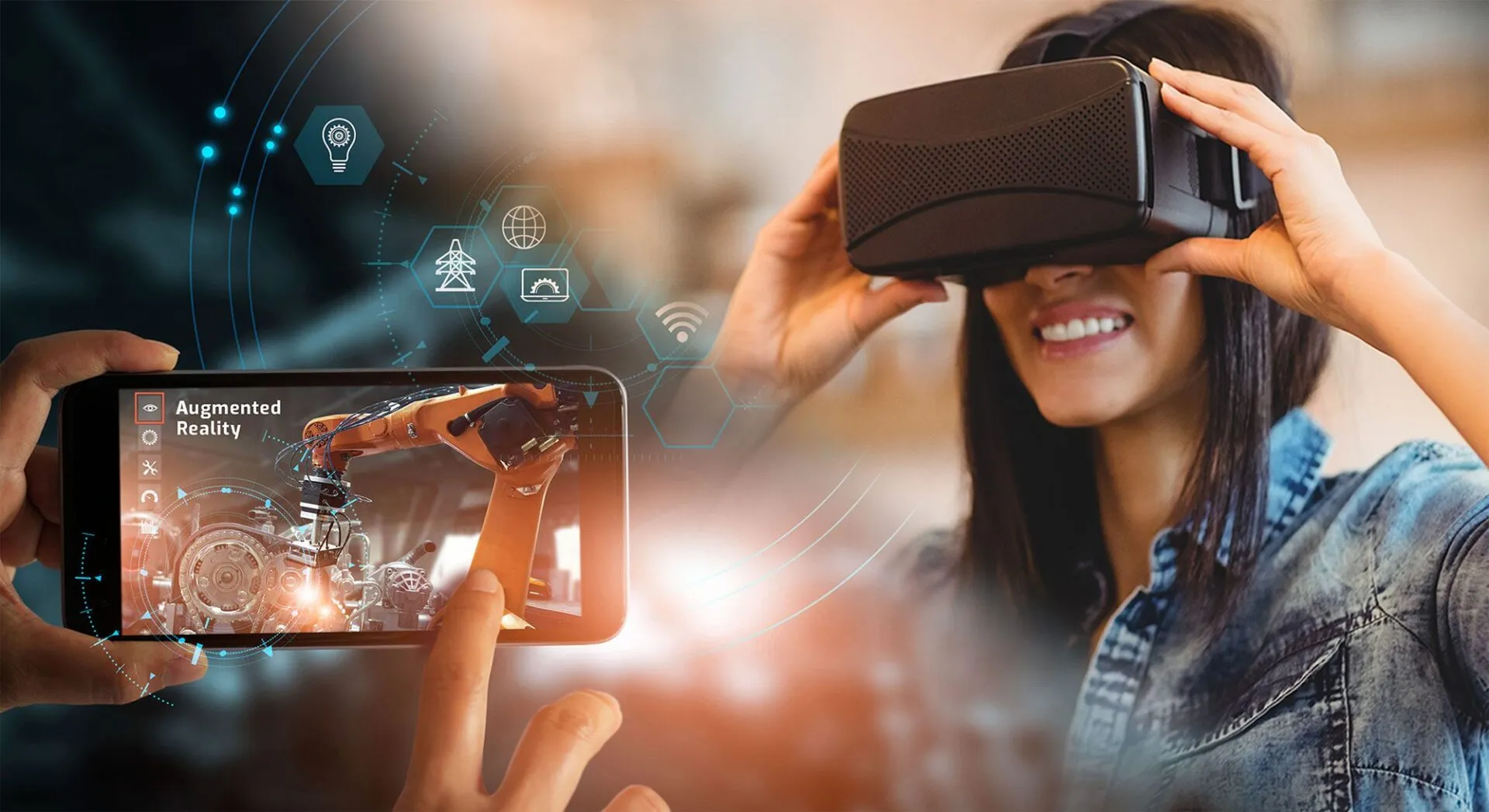
The marketing landscape is rapidly evolving, driven by technological innovation and changing consumer expectations. Among the most influential developments are Augmented Reality (AR), Virtual Reality (VR), and Artificial Intelligence (AI). These emerging technologies are transforming how brands engage with audiences, deliver experiences, and make data-driven decisions. As businesses move toward more immersive and personalized strategies, understanding these trends is essential for staying competitive in the future of marketing.
Augmented Reality (AR) is redefining how consumers interact with products and brands. AR overlays digital elements onto the real world, allowing users to visualize products in their own environment before making a purchase. From trying on virtual clothing to previewing furniture in a room, AR enhances the decision-making process and reduces uncertainty. This interactive experience not only increases customer confidence but also boosts engagement, making marketing campaigns more memorable and effective.
Virtual Reality (VR) takes immersion a step further by creating fully digital environments where users can explore and interact with a brand’s offerings. VR is particularly powerful for storytelling and experiential marketing. It allows businesses to create virtual showrooms, tours, or simulations that provide a deeper connection with the audience. For example, customers can experience a hotel stay, explore a travel destination, or attend virtual events without leaving their homes. This level of immersion helps brands stand out and leaves a lasting impression on consumers.
Artificial Intelligence (AI) continues to be a game-changer in marketing by enabling smarter, faster, and more personalized strategies. AI analyzes large volumes of data to understand customer behavior, preferences, and trends. This allows marketers to deliver highly targeted content, optimize campaigns in real time, and improve overall efficiency. Tools like chatbots, recommendation systems, and predictive analytics enhance customer interactions by providing instant support and relevant suggestions, creating a seamless user experience.
One of the most significant impacts of these technologies is the shift toward personalization and customer-centric marketing. AR and VR create engaging and tailored experiences, while AI ensures that content and messaging are aligned with individual preferences. Together, they enable brands to move beyond traditional advertising and focus on building meaningful connections with their audience.
Another important trend is the integration of these technologies across multiple platforms. AR filters on social media, VR experiences in online events, and AI-driven marketing automation tools are becoming more accessible to businesses of all sizes. This democratization of technology means that even small and medium enterprises can leverage advanced marketing strategies to compete in the digital space.


However, adopting these technologies also comes with challenges. Businesses must consider factors such as cost, technical expertise, and user accessibility. Additionally, maintaining data privacy and ethical use of AI is crucial in building trust with consumers. Companies that successfully balance innovation with responsibility will be better positioned for long-term success.
In conclusion, AR, VR, and AI are shaping the future of marketing by making it more immersive, interactive, and data-driven. These technologies are not just trends—they are powerful tools that redefine how brands communicate and connect with their audiences. As the digital world continues to evolve, marketers who embrace these innovations will be able to create more engaging experiences, drive customer satisfaction, and stay ahead in an increasingly competitive marketplace.